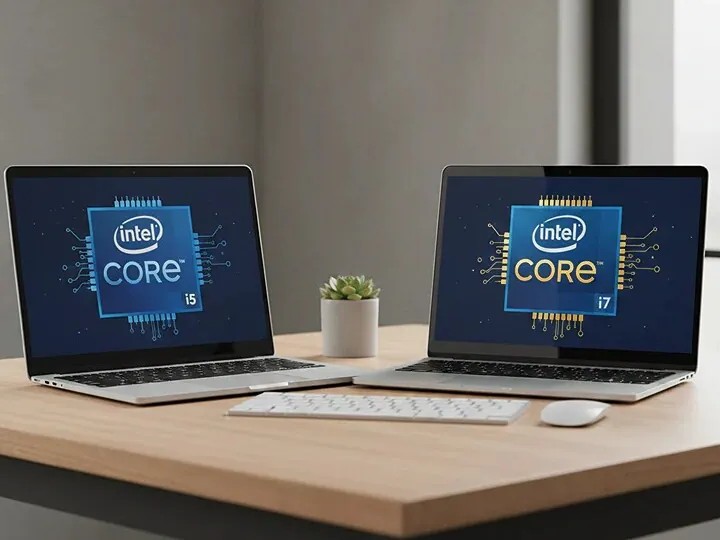

Intel’s Core i5 laptops are proving sufficient for the majority of users, offering strong performance for work, study, and moderate gaming at a lower cost than Core i7 models. With balanced specifications, affordability, and efficiency, Core i5 devices deliver excellent value without compromising on essential computing power.
The debate between Intel Core i5 and Core i7 laptops continues to shape consumer decisions in 2026. While the Core i7 is often marketed as the premium option, recent evaluations highlight that the Core i5 is more than capable of handling everyday workloads, making it a practical and cost-effective choice for most buyers.
Key Highlights
-
Core i5 processors deliver reliable performance for office tasks, web browsing, streaming, and even light gaming, ensuring smooth multitasking without unnecessary expense.
-
Core i7 laptops are designed for heavy workloads such as video editing, 3D rendering, and advanced gaming, but these tasks are not relevant for the majority of students and professionals.
-
Price comparisons show Core i5 laptops starting around INR 50,000, while Core i7 models often exceed INR 80,000, making the former a more budget-friendly option.
-
Energy efficiency is another advantage of Core i5 devices, as they consume less power, leading to longer battery life and reduced heat generation compared to Core i7 systems.
-
Modern Core i5 laptops, such as Lenovo IdeaPad Slim 3 and Lenovo LOQ gaming series, come equipped with 12th Gen processors, SSD storage, and high-refresh displays, offering features that meet mainstream needs.
-
Choosing Core i5 allows users to allocate savings toward accessories like ergonomic keyboards, headphones, or extended warranties, enhancing overall productivity and user experience.
-
Experts emphasize that unless users are engaged in specialized, resource-heavy tasks, upgrading to Core i7 provides marginal benefits that do not justify the higher cost.
Conclusion
For most consumers in 2026, Intel Core i5 laptops strike the right balance between performance, affordability, and efficiency. They meet the demands of students, professionals, and casual gamers, making them the smarter investment compared to Core i7 models that cater to niche, high-performance requirements.
Sources: Tec (Technology News), Observer Voice