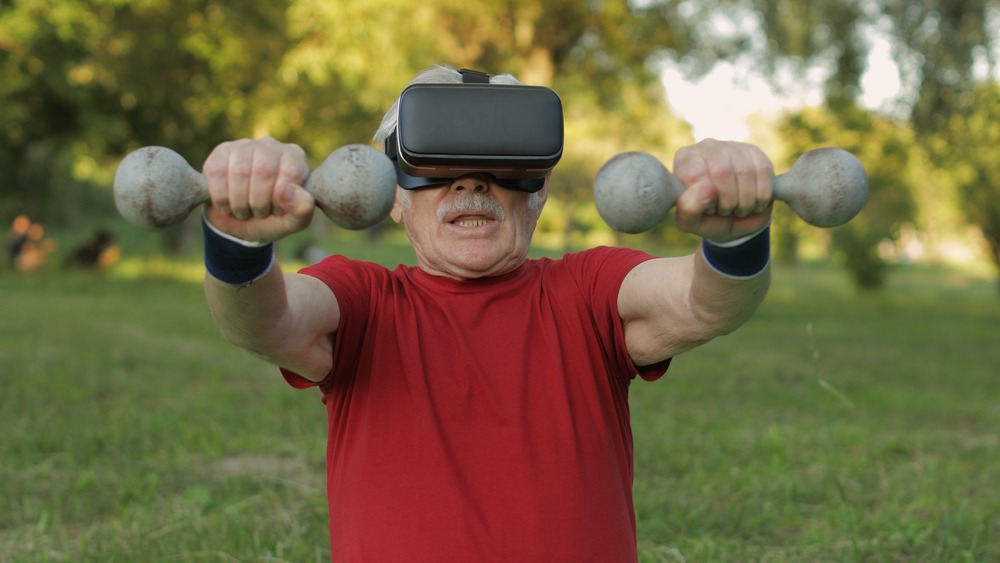

Virtual Reality (VR), often associated with gaming, is now transforming elderly healthcare in India. From aiding recovery after falls to improving cognitive and physical well-being, VR is being used as a therapeutic tool. Experts highlight its role in reducing isolation, enhancing mobility, and offering gamified rehabilitation experiences for senior citizens.
When people think of Virtual Reality (VR), gaming is usually the first association. But in India, VR is increasingly being used to support elderly healthcare, offering immersive experiences that aid recovery, reduce loneliness, and improve overall well-being.
Recent reports highlight how VR-based therapies are helping seniors regain confidence after falls, improve balance, and engage in cognitive exercises. By simulating safe environments, VR allows elderly patients to practice mobility tasks without fear, while gamified rehabilitation keeps them motivated.
Healthcare providers note that VR also helps reduce social isolation, enabling seniors to virtually connect with family or explore environments they can no longer physically access. This innovative use of technology is reshaping India’s approach to senior care, blending wellness with digital solutions.
Key Highlights
-
VR in healthcare: Moving beyond gaming to therapeutic applications.
-
Elderly recovery: Assists in rehabilitation after falls and mobility challenges.
-
Cognitive benefits: Supports memory, focus, and mental stimulation.
-
Social impact: Reduces isolation by enabling virtual connections.
-
Gamified therapy: Keeps seniors engaged and motivated during rehabilitation.
Sources: India Today, AFP, NITI Aayog Senior Care Report