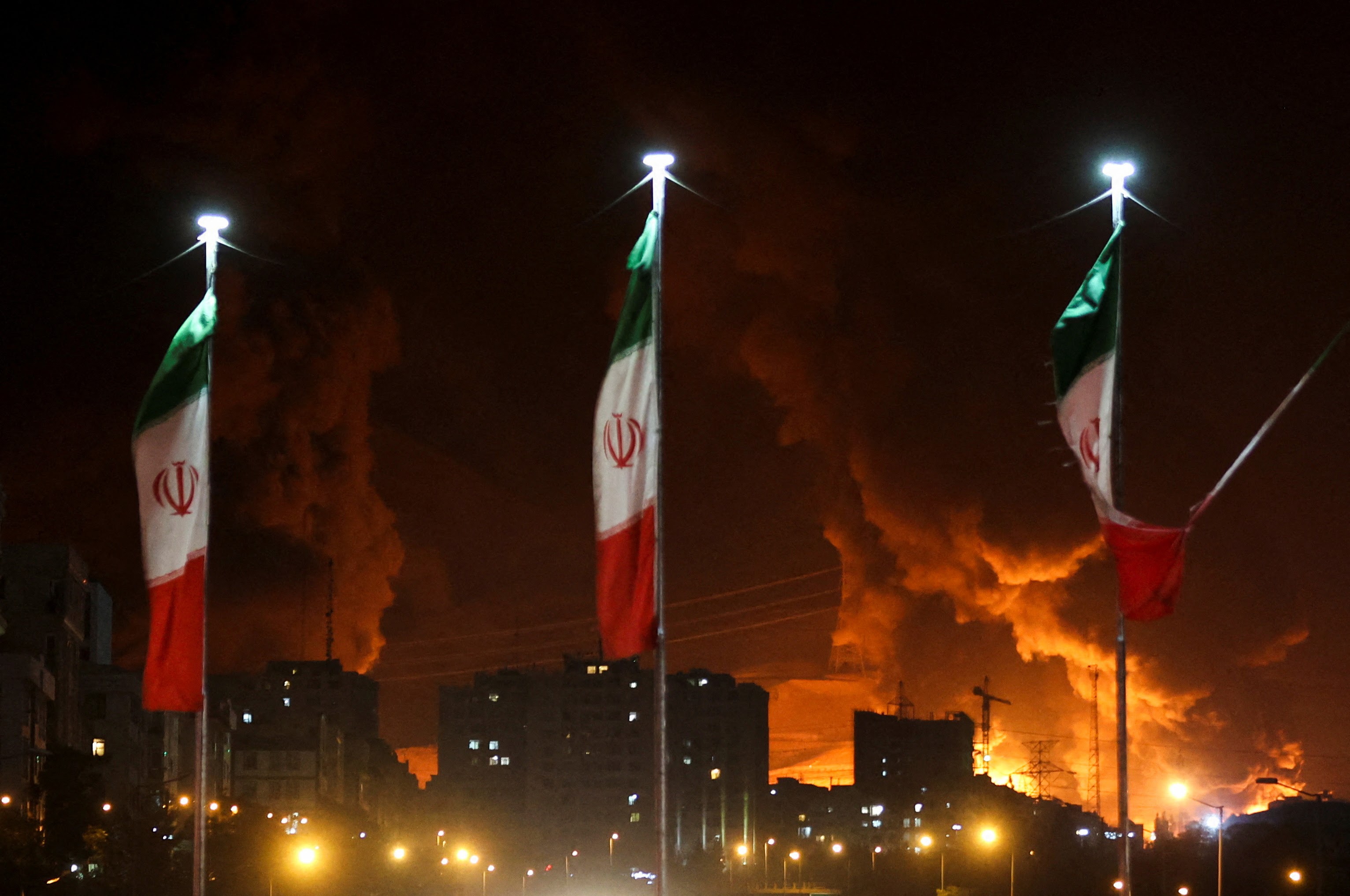
The Israel Defense Forces are prepared for retaliation after Iran launched roughly 10 ballistic missiles at northern Israel on June 7, 2026. The strike, an IRGC retaliation for an Israeli hit in Beirut, breaks an April ceasefire. President Trump has urged restraint, while global oil prices jumped over 3%.
JERUSALEM — The Israel Defense Forces (IDF) announced on June 7, 2026, that it is prepared to launch heavy retaliatory strikes against Iran following a direct ballistic missile barrage targeting northern Israel. The assault marks the first direct exchange between Tehran and Jerusalem since a fragile, Pakistan-brokered ceasefire was implemented on April 8, threatening to dismantle months of delicate regional diplomacy.
IDF Awaits Political Approval for Retaliatory Strike
Following strategic assessments with Israel’s top military brass, IDF Chief of Staff Lieutenant General Eyal Zamir issued a clear warning regarding the military’s readiness.
"The IDF will strike the enemy with force the moment the green light is given," Zamir stated via official military communication channels.
The military confirmed that approximately 10 ballistic missiles were fired from Iranian territory toward northern Israel on Sunday evening. According to official IDF statements, air defense systems successfully intercepted incoming threats, with any remaining projectiles striking uninhabited open areas. No immediate casualties were reported within Israeli borders.
Iran Cites Lebanon Border Breaches as Triggers
The Islamic Revolutionary Guard Corps (IRGC) claimed immediate responsibility for the barrage, characterizing it as a direct "warning" following an Israeli airstrike in Beirut’s southern suburbs earlier that day. Lebanon’s state news agency reported that the Israeli operation targeted two residential buildings in a Hezbollah stronghold, leaving two dead and 11 wounded.
In an official statement released by the IRGC, Iranian commanders stated that their missiles targeted Israel’s Ramat David Airbase—the facility Tehran alleges was used to launch the Beirut operation.
"Waves of missiles and drones will continue to be launched around the clock for the next seven days until the enemy is deterred," the IRGC statement noted, warning that any counter-offensive on Iranian soil would face a "devastating response."
Global Diplomatic Interventions and Economic Spills
The unexpected breakdown of the April truce triggered swift reactions from global leaders striving to prevent full-scale regional warfare. U.S. President Donald Trump placed an immediate call to Israeli Prime Minister Benjamin Netanyahu, publicly urging the Israeli leadership to refrain from launching counter-strikes.
"Each of them had their fun. Israel had its strike and Iran had its strike. We don't need another one," President Trump stated in a phone interview, suggesting that further military escalation would compromise active diplomatic channels with Tehran.
Concurrently, Iranian Foreign Minister Abbas Araghchi engaged in urgent diplomatic discussions with counterparts in the United Kingdom and Turkiye, alongside Pakistani mediators, defending the launch as a necessary response to ceasefire violations.
The immediate impact on global commerce was felt as markets opened on Monday, June 8. International energy benchmarks responded sharply to fears of instability near key supply routes like the Strait of Hormuz:
Domestic safety regulations shifted rapidly inside Israel as well. COGAT, the Israeli defense ministry unit overseeing civilian coordination, announced the immediate closure of crucial Gaza Strip borders, including the Rafah and Kerem Shalom crossings, pending further security assessments.
Official Sources Section
Israel Defense Forces (IDF): Official situational brief by Lt. Gen. Eyal Zamir.
Islamic Revolutionary Guard Corps (IRGC): State media broadcast text via Tasnim News Agency.
The White House: Press statements and direct telephone transcripts via Axios.
COGAT: Official crossing status advisory notice.
Quote Section
"The IDF will strike the enemy with force as soon as the green light is given."
— Lieutenant General Eyal Zamir, IDF Chief of Staff
"What I would suggest to Iran: You've shot your missiles, that's enough. Get back to the table and make a deal."
— Donald Trump, President of the United States
Why It Matters
The resumption of direct hostilities threatens to derail diplomatic frameworks aimed at normalizing commerce and safety protocols across the Middle East. With international energy prices spiking instantly, prolonged friction risks raising global fuel costs and disrupting maritime transit corridors, while localized boundary closures choke vital humanitarian and commercial supply lines into surrounding territories.
Key Facts at a Glance
First Since Ceasefire: Sunday's assault represents the first direct military action from Iranian soil against Israel since the April 8 agreement.
Target Coordinates: The IRGC confirmed its primary target was the Ramat David Airbase in northern Israel; the IDF reported all missiles were intercepted or hit empty ground.
Economic Shock: Global crude oil prices spiked more than 3% within hours of the market opening on June 8.
Border Closures: Israel's COGAT agency has indefinitely halted transit through critical Gaza border crossings due to heightened security risks.
FAQ Section
Q: Did the Iranian missile attack cause casualties in Israel?
A: According to official IDF statements, there were no reported casualties as air defense systems neutralized the threats or guided them to open fields.
Q: Why did Iran choose to launch this attack now?
A: The IRGC declared the missile strike was a retaliatory "warning" against an earlier Israeli precision strike targeting Hezbollah infrastructure in Beirut, Lebanon.
Q: What is the official stance of the United States?
A: President Donald Trump has explicitly called for restraint, advising Prime Minister Netanyahu against a military response while instructing Iranian leadership to return to negotiations.
Source: Official statements from the Israel Defense Forces, state transcripts from the Islamic Revolutionary Guard Corps via Tasnim, press briefs from The White House, and border updates from COGAT.